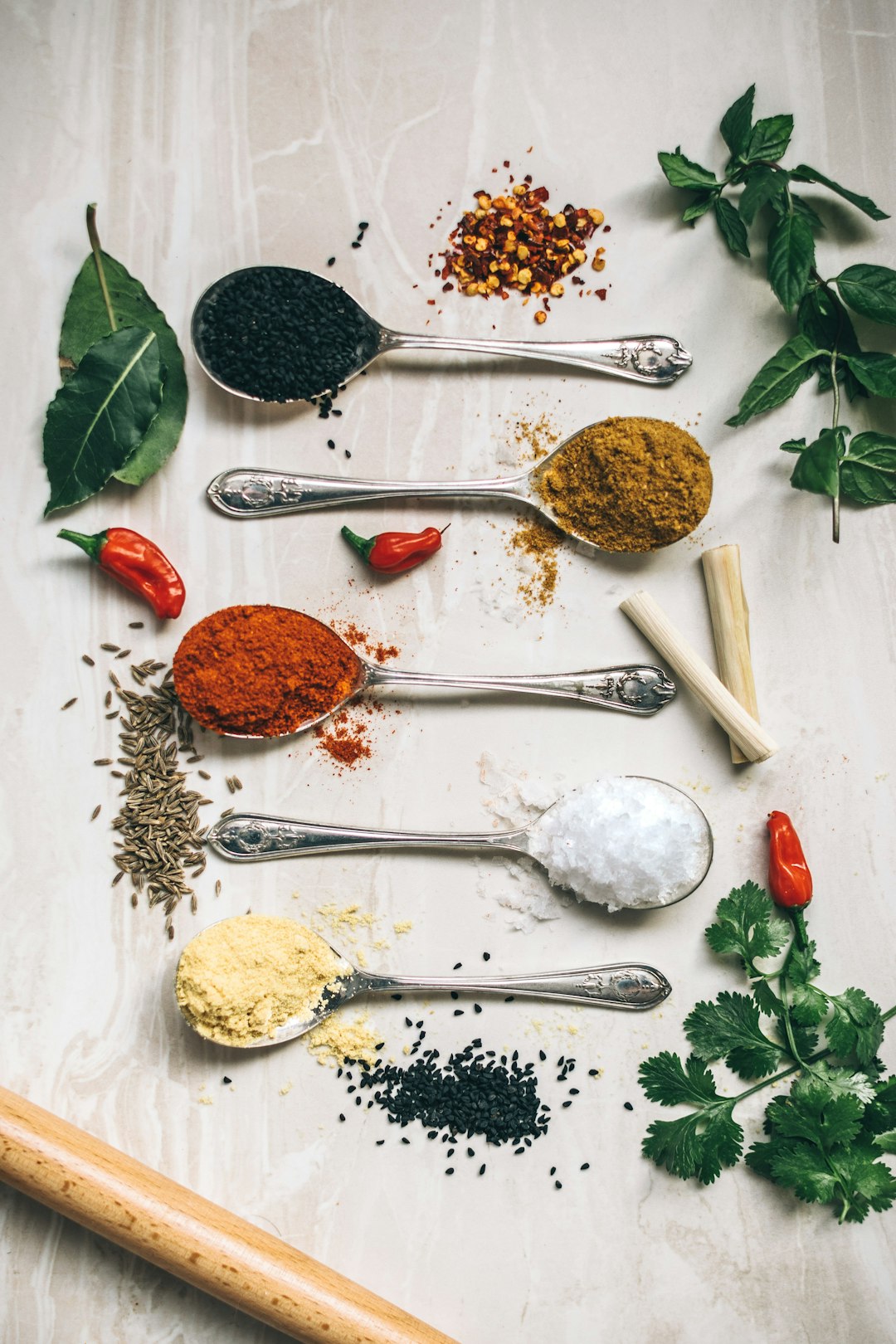
I make this often in the summer. And when I do, it gets devoured, sometimes fought over (haha), and people always ask me for the recipe!
Here is one of my favourite summer treats, so refreshing and delicious… my Malaysian side coming out… coconut milk, sago (mini tapioca pearls), fresh mangoes, grass jelly, and more…
Scroll down to see the best summer treat, mango sago easy dessert recipe!
If you are like me, you may also want to know some health and nutritional benefits about what we are eating. Here is a quick peak:
Mangoes- packed with vitamin A and C, fiber, folate. Helps boosts immunity, healthy skin and heart health.
Coconut Milk - Rich with MCTs fats, vitamins and minerals. Helps boost metabolism for weight management, helps heart health and immune system.
Grass Jelly - is a traditional Asian herbal jelly dessert (amde from boiling stalks and leaves of a Chinese Mesona plant and provides several health benefits. It is full of disease fighting antioxxidants, helps mantain healthy weight by controlling blood sugar levels, and is a natural body coolant. My favourite is that it is said that grass jelly helps weight loss because it is very low in calories, has zero fat, and is rich in dietary fiber that promotes satiety.
Here is what I use to make the best summer treat, Mango Sago Easy Dessert Recipe:
1 cup sagopearls
2 mangoes, sliced into small cubes
1 can grass jelly, sliced into small cubes
1 jar coconut jelly
2 cans coconut milk
2 cups of ice
3/4 cup sweetened condensed milk
1 can evaporated milk (optional)
Here is what I do:
1.Boil water in a large pot. Addsagopearls and stir over medium heat for about 10-15 minutes to prevent pearls from sticking to the bottom of the pot.
2.Remove the pot from heat and cover for 5-10 minutes. Let the pearls cook and the white centres disappear. Drain the water and run the pearls under cold water until they are no longer hot.
3.Cut mangoes into 1/2-inch cubes. Add them into a large bowl. Do the same with the grass jelly.
4.In the large bowl with the cut mangoes and grass jelly, add in the cooled drainedsagopearls, coconut jelly, coconut milk, condensed milk, and ice cubes. Stir until combined. Add more condensed milk if you want it to be sweeter. It is ready to serve and enjoy!
Make sure to cover and store in the refrigerator. Thesagowill thicken once chilled and will get thicker as it sits. Just add more coconut milk to thesagoto loosen it back up.
Okay, it is time to make some! I hope you enjoy the best summer treat, mango sago dessert!
Summer time means lots of playing, hiking, biking, camping, and so much more. One of our favourite times too! However, it also means learning loss occurs as well. But it doesn't have to! Here are some fun and easy summer learning activities to do with your kids.
Being a mom of three and educator for many years, I have come to determine that the best gifts for Mother's Day have to not only be thoughtful but have to be either a gift that gives mom some time with her family or time alone!
As parents, we often wonder when our children should start taking on certain responsibilities around the house. Chores not only teach kids valuable life skills, but also help them develop a sense of independence and contribute to the household. However, it's important to consider your child's age and abilities when assigning chores. In this blog post, we'll discuss age-appropriate chores for children and provide some guidelines to help you determine when your child is ready for certain tasks.
Toddlers (2-3 years old)
While toddlers may not be able to complete complex chores, they can still participate in simple tasks that promote their motor skills and sense of responsibility. At this age, children can help with tasks such as picking up toys, putting dirty clothes in a hamper, or wiping spills with a cloth. These activities should be supervised to ensure their safety.
Example Chore: Putting Toys Away
Encourage your toddler to clean up after playtime by putting toys back in their designated places. Make it a fun activity by singing a cleanup song or turning it into a game. Remember to give them plenty of praise and positive reinforcement for their efforts.
Preschoolers (4-5 years old)
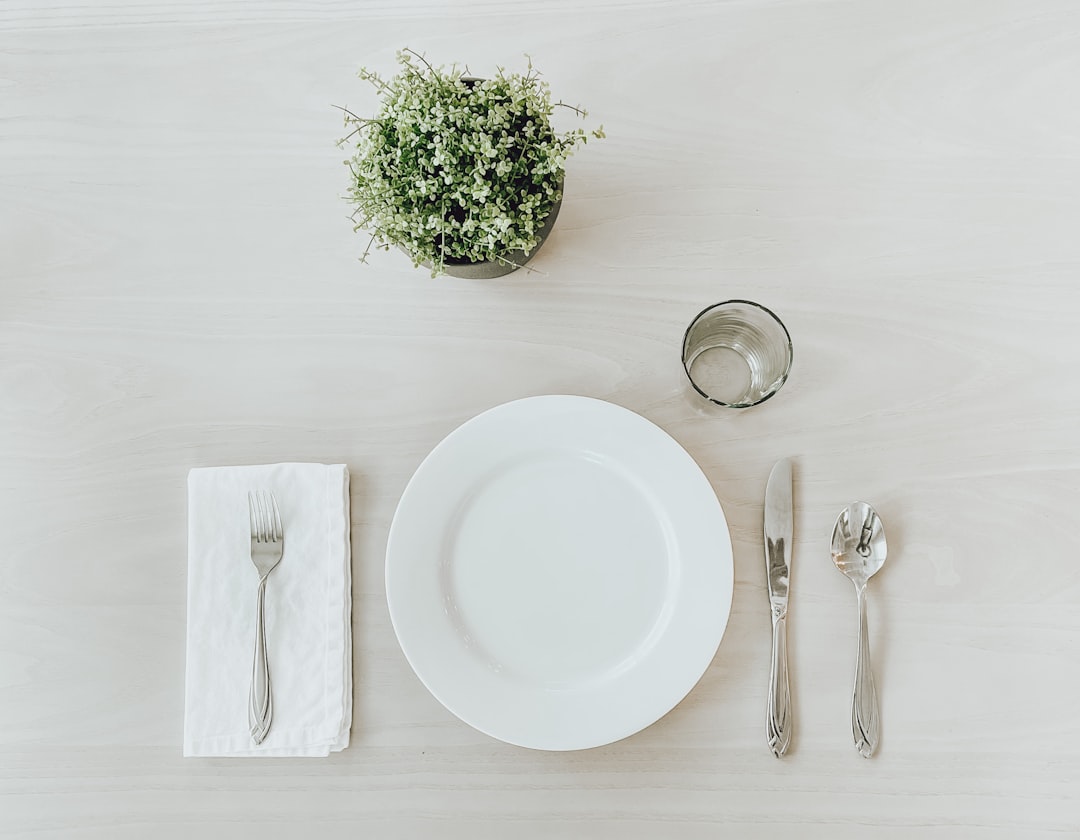
Preschoolers are more capable of handling slightly more complex chores and can begin to take on additional responsibilities. At this age, children can help with tasks such as setting the table, making their bed, or feeding pets under supervision. These chores help them develop fine motor skills, organization, and a sense of routine.
Example Chore: Setting the Table
Show your preschooler how to set the table by placing utensils, plates, and napkins in the correct positions. Start with a simple table setting and gradually increase the complexity as they become more comfortable. This chore not only teaches them about table manners but also promotes independence.
Elementary School (6-8 years old)
As children enter elementary school, they become more capable of taking on additional responsibilities and can handle more complex tasks. At this age, children can help with chores such as folding laundry, sweeping floors, or taking out the trash. These chores promote independence, discipline, and a sense of contribution to the household.
Example Chore: Folding Laundry
Teach your child how to fold clothes and put them away properly. Start with simple items like socks and gradually introduce more complex clothing items. This chore not only helps lighten your load but also teaches them valuable skills they will need later in life.
Tweens (9-12 years old)
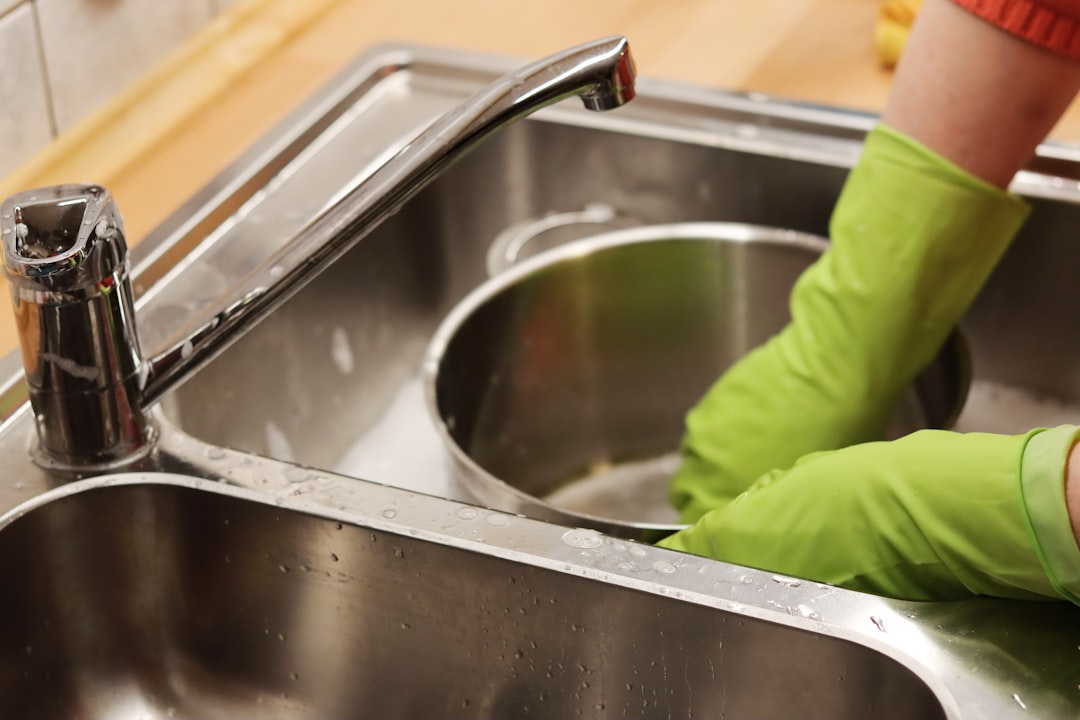
Tweens are capable of taking on more responsibility and can handle a wider range of household chores. At this age, children can help with tasks such as washing dishes, mowing the lawn (with supervision), or cleaning their rooms. These chores further develop their independence, time management, and accountability.
Example Chore: Washing Dishes
Show your tween how to properly wash dishes, including the importance of using hot water, soap, and drying them thoroughly. Start with non-breakable items and gradually introduce more delicate dishes. This chore not only helps with daily cleanup but also instills a sense of responsibility and teamwork.
Teenagers (13+ years old)
Teenagers are capable of handling most household chores and can take on more significant responsibilities. At this age, children can help with tasks such as cooking meals, doing laundry independently, or maintaining the yard. These chores prepare them for adulthood and teach them essential life skills.
Example Chore: Cooking Meals
Encourage your teenager to learn basic cooking skills and prepare simple meals. Start with easy recipes and gradually introduce more complex dishes. This chore not only helps with meal preparation but also fosters independence and encourages a healthy relationship with food.
Conclusion
Assigning age-appropriate chores to your children is an excellent way to teach them valuable life skills, promote independence, and contribute to the household. Remember to consider your child's age, abilities, and safety when assigning tasks. Start with simple chores and gradually increase their responsibilities as they grow older. By involving your children in household tasks, you are setting them up for success in the future.
And here are some age-appropriate chore charts you can use with your kids!
Being a part of the family means each person contributes to its happiness, livelihood and its success. Chore charts can help – if done right! Doing chores is a natural part of being a family. It is also part of being an adult, so the earlier your children become accustomed to chores, the better they […]